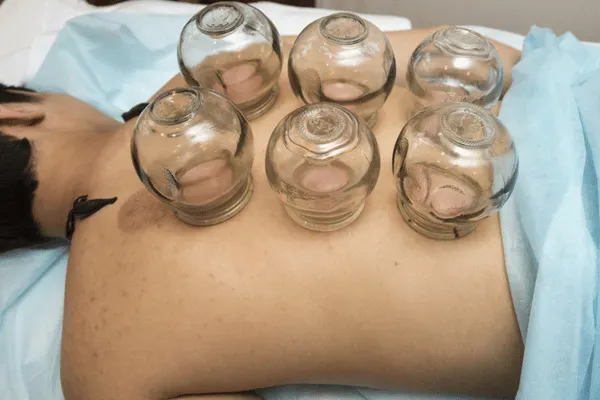
Cupping therapy has become a go-to recovery method for athletes worldwide. This ancient healing practice uses suction cups on the skin to boost blood flow, ease muscle pain, and speed up recovery. Athletes like Michael Phelps brought cupping therapy into the spotlight when they showed up to competitions with circular marks on their bodies. Today, sports cupping therapy has moved from alternative medicine to mainstream sports medicine.
If you're an athlete looking to recover faster and perform better, cupping might be the solution you need. Here's what you need to know about cupping therapy for athletes and how it can transform your recovery routine.
What is Cupping Therapy?
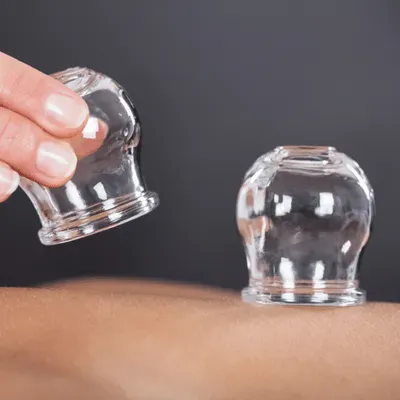
Cupping therapy started in traditional Chinese and Middle Eastern medicine thousands of years ago. A therapist places cups made of glass, silicone, or plastic on your skin. They create suction using heat or mechanical pumps.
The suction pulls your skin and tissue upward. This increases blood flow to the area and triggers your body's natural healing response. Most athletes use dry cupping, which only involves suction. Wet cupping involves small cuts to draw blood, but it's less common in sports.
You'll feel a gentle pulling sensation during treatment. The circular marks left behind come from blood pooling at the surface. They look like bruises but don't hurt. These marks fade within a few days.
Sessions typically last a few minutes per area. A trained professional like a physical therapist or chiropractor should perform the treatment. When done right, cupping therapy is very safe with minimal risks.
How Cupping Therapy Helps Athletes
Cupping therapy for athletes offers several key benefits that support training and performance:
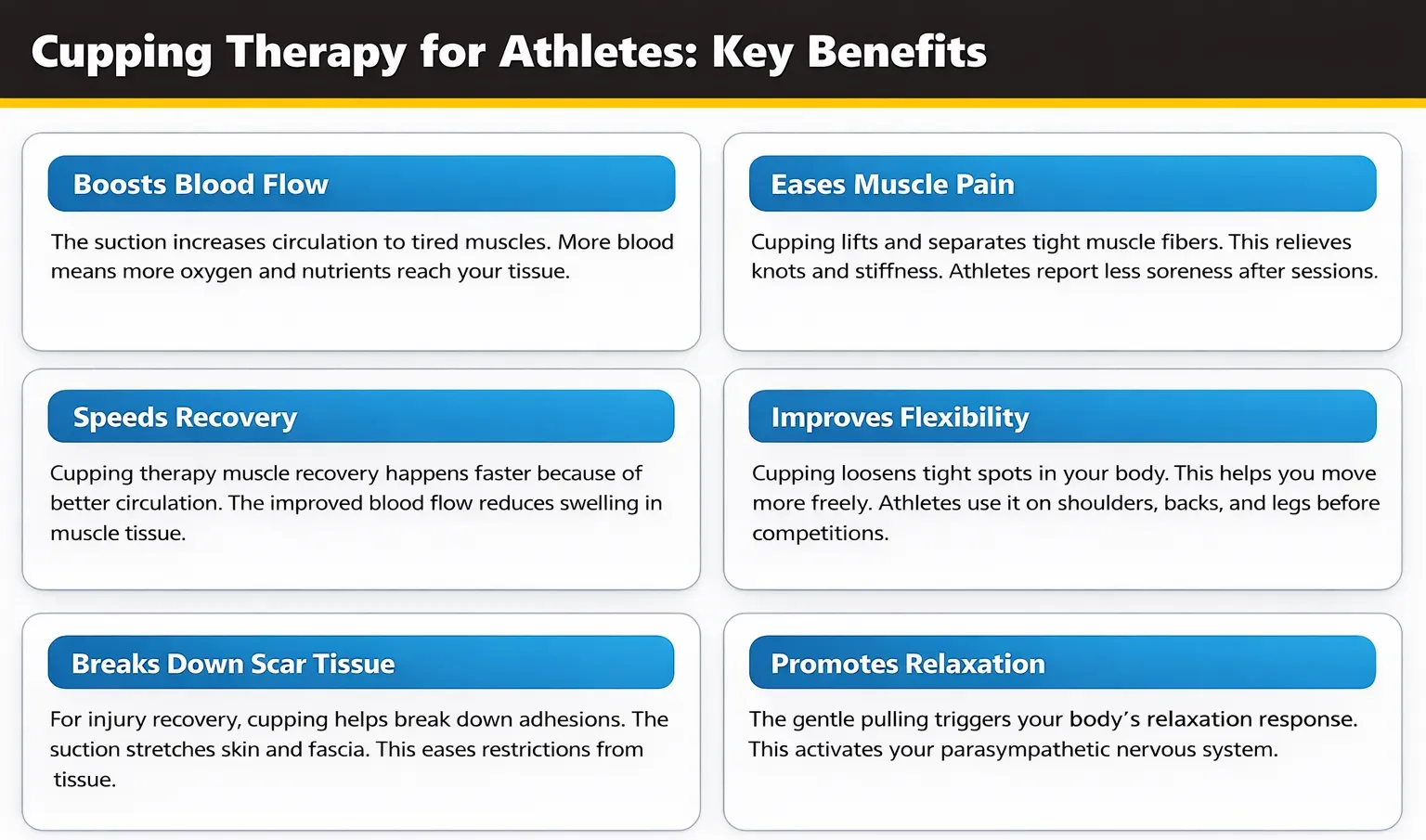
Boosts Blood Flow
The suction increases circulation to tired muscles. More blood means more oxygen and nutrients reach your tissue. This speeds up repair and helps flush out waste products like lactic acid.
Eases Muscle Pain
Cupping lifts and separates tight muscle fibers. This relieves knots and stiffness. Athletes report less soreness after sessions. The technique works like a reverse massage by pulling muscles up instead of pressing down.
Speeds Recovery
Cupping therapy muscle recovery happens faster because of better circulation. The improved blood flow reduces swelling in muscle tissue. Studies show athletes who received cupping after hard workouts had less muscle soreness. They also had lower levels of creatine kinase, which marks muscle damage.
Improves Flexibility
Cupping loosens tight spots in your body. This helps you move more freely. Athletes use it on shoulders, backs, and legs before competitions. Better range of motion helps with sports that need agility and mobility.
Breaks Down Scar Tissue
For injury recovery, cupping helps break down adhesions. The suction stretches skin and fascia. This eases restrictions from scar tissue. More blood flow to old injuries brings nutrients that support healing.
Promotes Relaxation
The gentle pulling triggers your body's relaxation response. This activates your parasympathetic nervous system. Athletes dealing with heavy training stress benefit from this calming effect. Research shows cupping might improve sleep quality. Better sleep means better recovery and performance.
What Research Shows
Modern science is catching up with centuries of traditional use. A 2025 study on baseball players found that cupping therapy reduced muscle fatigue. It also enhanced post-exercise recovery of the autonomic nervous system.
Research from 2024 showed that athletes who received cupping right after workouts had less delayed-onset muscle soreness. They also showed lower creatine kinase levels compared to athletes without cupping.
Another 2024 study on endurance runners found that wet cupping improved sleep and reduced perceived effort. This made it an effective recovery tool.
Cleveland Clinic reports that cupping is safe and effective for pain relief when done by trained professionals. Rowan University School of Osteopathic Medicine notes that many athletes use cupping to loosen muscles and feel more ready before competitions.
While more research is needed, current evidence supports cupping therapy as a low-risk, high-reward recovery method.
Getting Started with Cupping
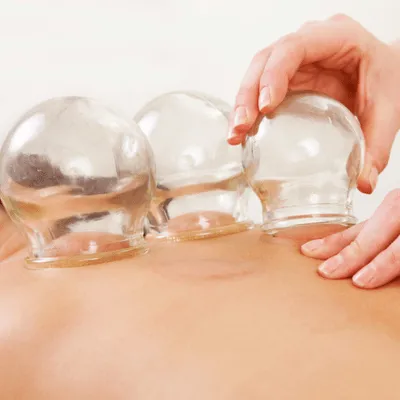
Sports cupping therapy works best as part of a complete recovery plan. Combine it with massage, stretching, physical therapy, and proper nutrition.
Here's what to expect in a session:
- A practitioner places 3-7 cups on target areas
- You'll feel pulling and pressure but no sharp pain
- Cups stay on for several minutes
- Some therapists glide cups over oiled skin for a massage effect
- Red or purple circles appear but fade within days
After your session, drink plenty of water. Gentle stretching helps flush out toxins released during treatment.
Cupping therapy is safe for most people. Minor side effects include temporary marks, mild soreness, or brief fatigue. Talk to your doctor first if you have blood clotting disorders or skin conditions. Pregnant women should get medical clearance before trying cupping.
Unlock Your Recovery Potential
Cupping therapy offers athletes a proven way to recover faster and perform better. This time-tested method now has scientific backing to support what athletes have known for years. By boosting circulation, easing muscle tension, and promoting relaxation, cupping helps you bounce back from tough workouts and competitions.
Ready to experience the benefits of cupping therapy for athletes? At AthleteRx Rehab, we provide professional sports cupping therapy as part of our sports rehabilitation services. Our qualified therapists create a safe and supportive environment for your recovery.