6043 Lindsey Lane, Parker, TXMon–Thu 8am–8pmFri 8am–6pm
CALL: (214) 225-6450

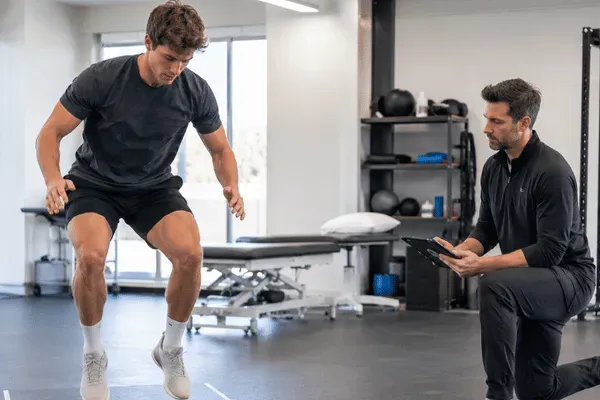
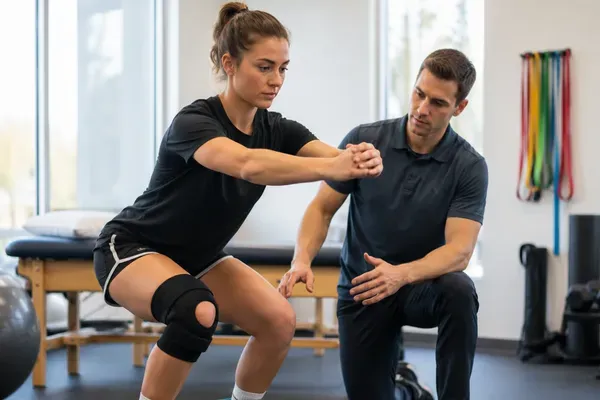
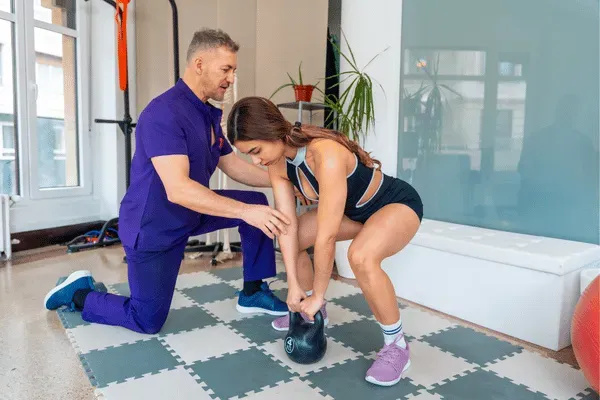
Functional movement training builds strength through coordinated movements such as squats, lunges, pushing, pulling, and rotation. Find out how these exercises can improve balance, control, and sports performance while supporting more confident movement in daily life and training.
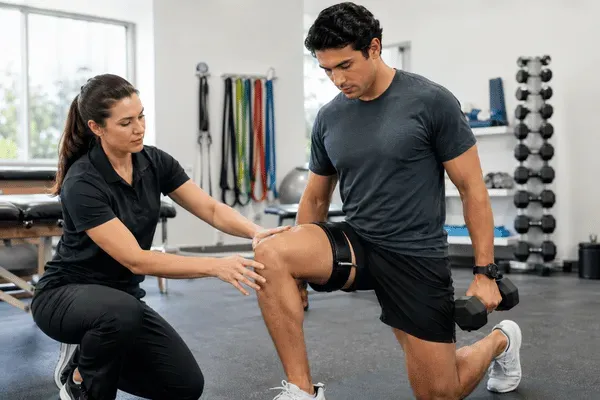
Blood flow restriction therapy uses a specialized cuff during light-load exercise to help stimulate muscle strength and size when heavy lifting is not appropriate. See how it works, when it may support injury recovery, and why proper screening and supervision matter.
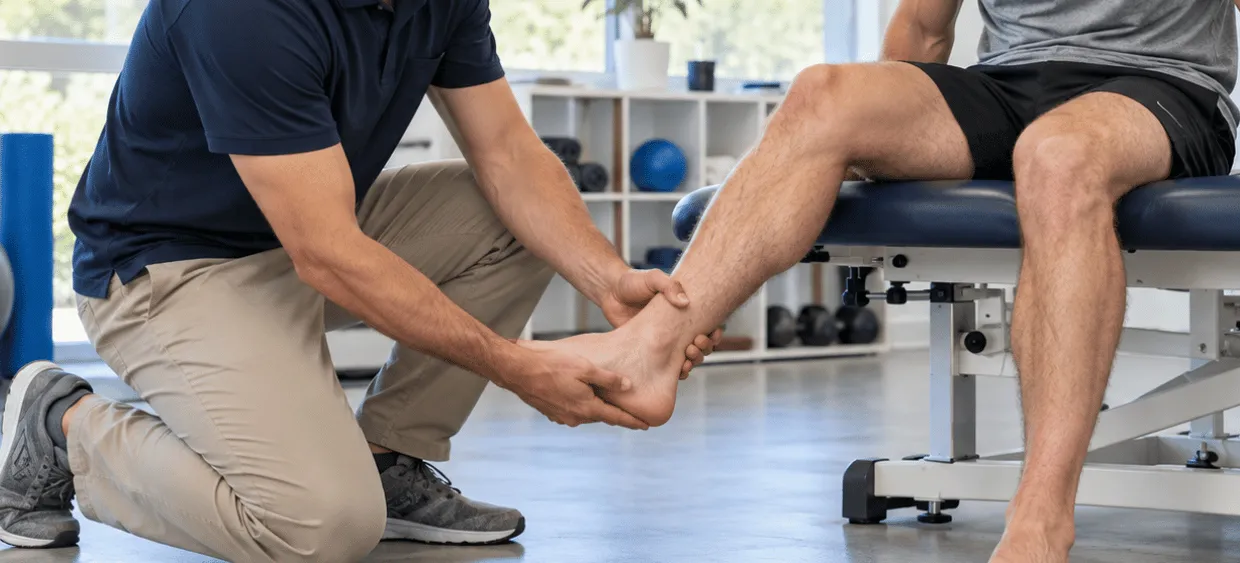
Recovery time for a sprained ankle depends on the severity of the injury. A mild sprain may heal in 1 to 3 weeks, moderate sprains take 3 to 6 weeks, and severe sprains can take 6 to 12 weeks or longer. Learn about grade-by-grade recovery timelines, rehab stages, and return-to-sport readiness.
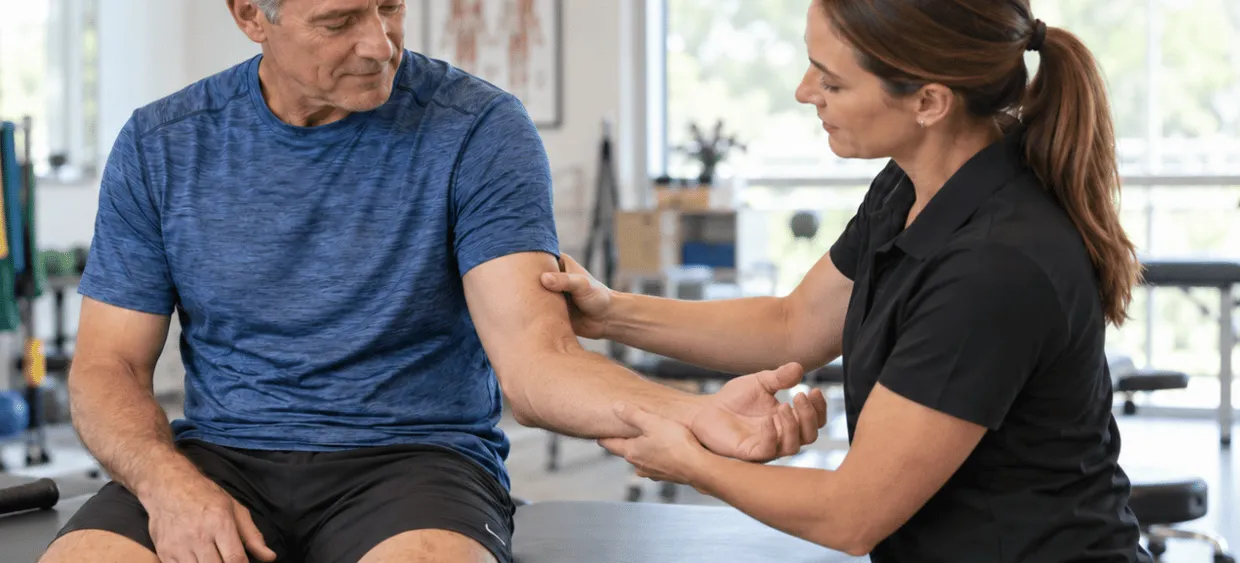
Pickleball injuries are rising as the sport explodes in popularity. Learn about the most common injuries affecting players, why they happen, and practical rehab tips to help you recover from elbow, knee, and shoulder pain and return to the court safely.
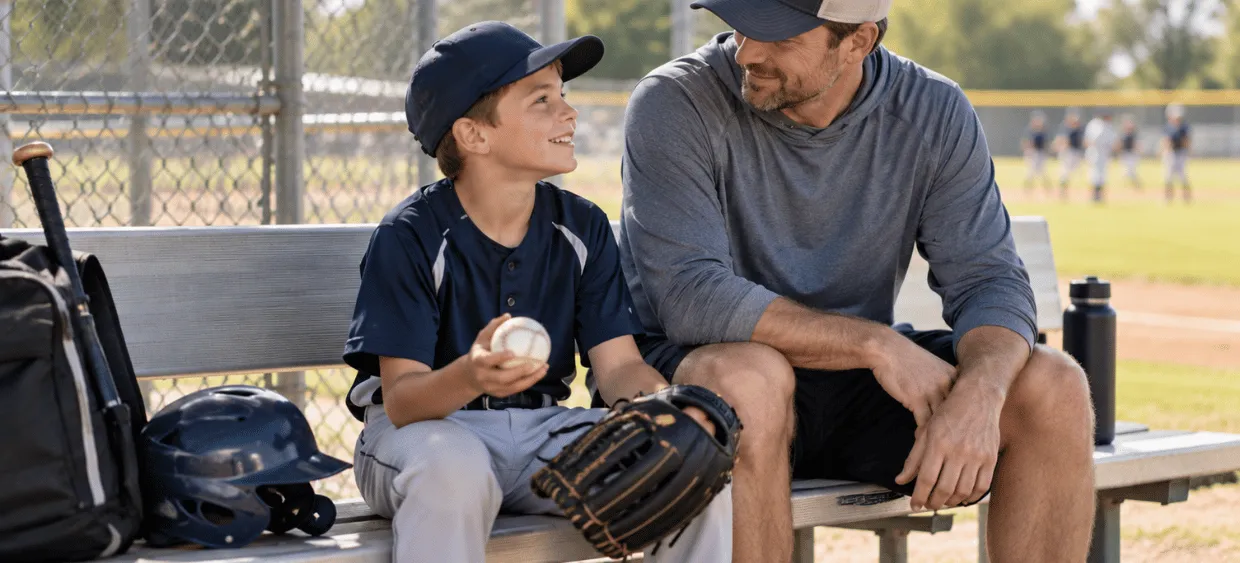
Inner elbow pain after throwing is not always routine soreness. This guide covers early warning signs of Little League Elbow, why growing athletes are vulnerable to repetitive throwing stress, and when parents should pause play and seek an evaluation before symptoms worsen.

If runner's knee returns every time you increase mileage, rest alone may not solve it. Explore common causes of persistent pain around the kneecap and a gradual loading approach that builds strength, manages training demands, and supports a steadier return to running.

Wondering about shoulder impingement recovery time? See how symptoms, training volume, strength, and sleep can influence progress, plus practical rehab strategies to help lifters and overhead athletes get back to pressing, throwing, and training with fewer setbacks.

Hamstring strain recovery time depends on injury severity and how your leg responds to rehab. Compare Grade 1, 2, and 3 timelines, then explore the strength, mobility, and sprint-readiness checks used to guide a safer return to high-speed running.

Follow the ACL surgery recovery timeline from early swelling control and range-of-motion work to rebuilding strength, running, jumping, and sport-specific drills. Understand why progress tests and individual milestones matter as much as the number of months since surgery.