ACL surgery recovery time is different for every athlete, but returning to sports that involve cutting or pivoting often takes 9 to 12 months. Some athletes need longer. The first few weeks are usually spent calming swelling, restoring knee movement, and learning to walk comfortably again. Later, the focus shifts to strength, running, jumping, and sport-specific movement.
The calendar matters, but it should not be the only measure of progress. Each stage should also depend on how your knee feels and performs.
What Affects ACL Surgery Recovery Time
No two ACL recoveries look exactly the same. Your progress may depend on your graft type, age, activity level, sport, swelling, range of motion, and muscle strength.
Other procedures can also change the timeline. For example, a meniscus repair may require temporary limits on weight bearing or knee bending.
Important recovery goals include:
- Regaining full knee extension for a normal walking pattern
- Keeping swelling low as exercise becomes harder
- Rebuilding quadriceps strength before running or jumping
- Learning to land, turn, and cut with good control
- Feeling confident when performing sport-related movements
These milestones help your therapist decide when you are ready for the next phase.
ACL Surgery Recovery Timeline by Phase
This ACL surgery recovery timeline offers a general picture of what may happen after surgery. It is not a fixed clearance schedule. Massachusetts General Brigham, like many sports rehabilitation programs, uses both healing time and performance milestones when progressing patients.
| Phase | Main Goals | Common Milestones |
|---|---|---|
| Weeks 0 to 2 | Protect the graft and reduce swelling | Full extension, quadriceps control, and safe crutch use |
| Weeks 3 to 6 | Improve motion and walking | Low swelling, improved knee bending, and a steady walking pattern |
| Weeks 7 to 12 | Rebuild strength and balance | Full motion and better single-leg control |
| Months 3 to 5 | Introduce running and light jumping | Pain-free hopping and more than 80% quadriceps symmetry |
| Months 6 to 9 | Add agility and sport drills | Improved landing, cutting, and test results |
| Months 9 to 12+ | Return to full sport | Strength, hop, movement, and confidence goals achieved |
Weeks 0 to 6: Restore Motion and Walking
The early part of ACL reconstruction recovery is about protecting the healing knee without allowing it to become too stiff or weak.
You will usually work on straightening the knee, reducing swelling, activating the quadriceps, and walking evenly. Crutches may be needed at first. Weight bearing often begins early, although your surgeon may recommend a slower approach if another structure was repaired.
Small goals matter during this period. Being able to fully straighten the knee can make walking easier and reduce problems later in rehabilitation.
Weeks 7 to Month 3: Rebuild Strength
Once walking and knee motion improve, therapy becomes more focused on rebuilding strength.
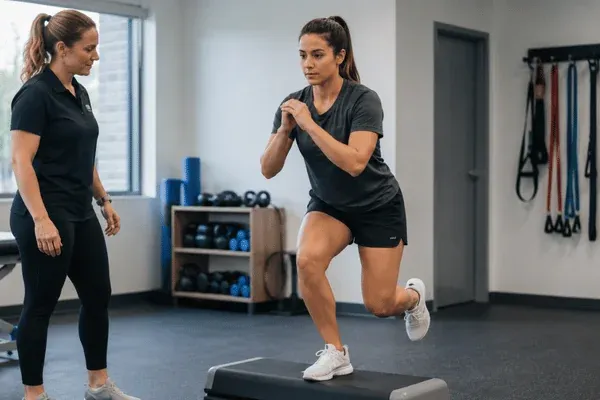
Exercises may include squats, step-ups, stationary cycling, balance activities, and controlled single-leg movements. Your therapist may also strengthen your hips and core because they help control the knee during running and landing.
The knee should have full or nearly full motion, with little swelling, before exercise intensity increases.
Months 3 to 6: Begin Running and Landing
Running should begin when your knee is ready, not simply because a certain number of weeks have passed.
Aspetar recommends checking several goals first. These include full knee extension, nearly full knee bending, minimal swelling, and more than 80% quadriceps strength symmetry.
Your program may start with short running intervals. Low-level jumps, landing practice, and basic change-of-direction drills may follow. Your therapist will watch how the knee responds during the session and afterward.
Pain, swelling, or poor form may mean the exercise needs to be adjusted.
Month 6 and Beyond: Return to Sport
Reaching six months does not automatically mean you can return to competition. For many athletes, this is when more advanced sport preparation begins.
Training may include faster running, jumping, cutting, deceleration, and drills that copy the demands of your sport. Massachusetts General Brigham commonly places unrestricted practice and full play closer to 9 to 12 months.
Many clinics look for at least 90% to 95% symmetry during strength and hop testing. Movement quality and confidence should also be considered.
Research led by Susanne Beischer found that young athletes who returned to knee-strenuous sports before nine months had a much higher rate of another ACL injury. Their risk was about seven times greater than that of those who waited longer.
How Sports Physical Therapy Supports Recovery
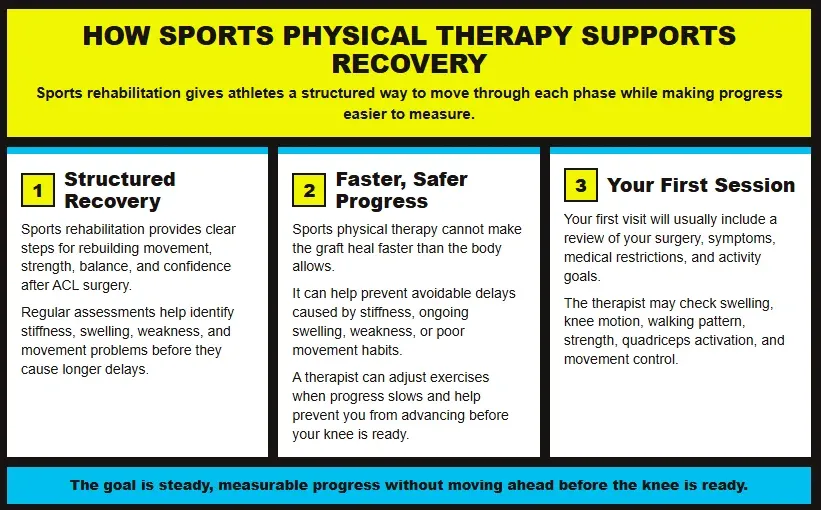
Sports rehabilitation gives athletes a structured way to move through each phase. It helps identify problems early and makes progress easier to measure.
How Can Sports Physical Therapy Help Athletes Recover Faster?
Sports physical therapy cannot make the graft heal faster than the body allows. However, it can help prevent avoidable delays caused by stiffness, ongoing swelling, weakness, or poor movement habits.
A therapist can adjust exercises when progress slows and make sure you are not moving ahead before your knee is ready. This keeps the ACL recovery timeline organized and reduces guesswork.
What Should I Expect During a Sports Physical Therapy Session?
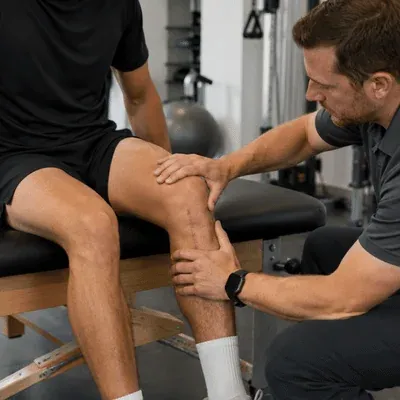
Your first visit will usually include a review of your surgery, symptoms, medical restrictions, and activity goals. The therapist may check your swelling, knee motion, walking pattern, strength, and ability to activate the quadriceps.
As recovery continues, sessions may include:
- Mobility exercises for knee extension and flexion
- Strength training for the legs, hips, and core
- Running, landing, jumping, and cutting practice
- Balance and single-leg control exercises
- Strength, hop, movement, and confidence testing
Some therapists also use blood flow restriction training when heavy resistance is uncomfortable or not yet appropriate. Aspetar considers it a possible addition to rehabilitation, but it should not replace progressive strength training.
How to Find the Right Sports Physical Therapy Clinic
Searching for "sports physical therapy near me" may bring up dozens of clinics. The closest location is not always the best option for ACL reconstruction recovery.
Look for a clinic that regularly works with athletes and can guide you beyond basic walking and strengthening.
How Can I Find the Best Sports Physical Therapy Clinics Nearby?
Before choosing a clinic, ask questions such as:
- How often do you treat patients after ACL reconstruction?
- Do you measure quadriceps strength with objective equipment?
- Do you perform single-leg hop testing?
- Do you examine landing and cutting technique?
- Do you assess confidence or fear of reinjury?
- Can you provide running and sport-specific training?
You can also use the ChoosePT directory to research physical therapists, advanced training, and board certifications.
Searching for a specific phrase, such as "True Sports Physical Therapy and Care," may lead to one business rather than a complete list of local providers. Compare several clinics before making your decision.
AthleteRx offers post-surgery rehabilitation and return-to-sport testing at its Parker clinic. The clinic works with patients from Parker, Plano, Allen, and surrounding communities.
Common Myths About ACL Recovery
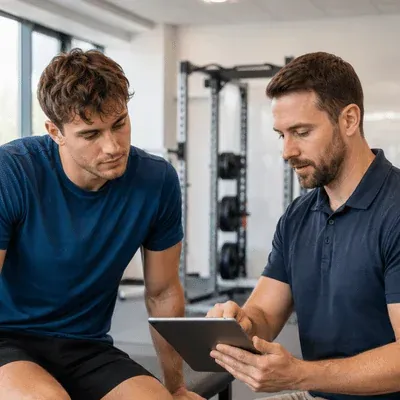
ACL recovery advice can be confusing, especially when it comes from teammates, social media, or people whose injuries were different from yours.
"I Feel Good, So I Am Ready"
Having little or no pain is encouraging, but it does not prove that your strength and movement have fully returned. Some athletes feel normal during daily activities while still showing major differences between legs.
"Six Months Means Full Clearance"
Six months is not a universal return-to-sport date. Many athletes are still rebuilding strength, movement control, fitness, and confidence at this stage.
"Everyone Needs a Brace"
The American Academy of Orthopaedic Surgeons does not recommend routine functional bracing after an isolated primary ACL reconstruction because clear clinical benefits have not been shown. Your surgeon may still recommend one when additional injuries or repairs are involved.
The Bottom Line
ACL surgery recovery time is commonly 9 to 12 months for athletes returning to pivoting sports, although some need longer. Pay attention to both healing time and measurable milestones throughout each stage. Book now with AthleteRx to build a recovery plan around your surgery, sport, and long-term goals.