Chronic pain can sideline athletes and active people for months or years. Many of these aches don't need surgery to heal. A sports physical therapist can help you overcome chronic pain using proven methods. Modern healthcare in 2026 favors conservative treatments first. Physical therapy often delivers equal or better results than surgery for many conditions. This article shows how sports physical therapists treat chronic pain without surgery using hands-on physical therapy, dry needling for pain relief, and targeted sports rehabilitation exercises.
Why Choose Non-Surgical Treatment?
Surgery may appear to be a short-term solution. However, non-surgical therapies are frequently the best initial option. Physical therapy reduces risks while addressing underlying problems. A "physical therapy first" strategy is currently supported by major medical associations.
Conservative care means actively treating pain through movement and strengthening. A sports physical therapist evaluates what's causing your pain. This might be weak muscles, poor movement patterns, or scar tissue. They design a plan to fix these issues. This approach provides long-term relief by correcting problems, not masking symptoms.
Non-surgical care avoids surgery risks. Even routine surgeries carry risks like infection or blood clots. Many patients who try physical therapy avoid surgery entirely. One major study found exercise therapy was as effective as knee surgery for meniscal tears. Experts now recommend PT over surgery for that common problem.
What the Research Shows
To lessen discomfort and enhance function, a sports physical therapist employs techniques supported by science. Recent studies reveal the following:
Chronic Low Back Pain: People who undergo physical therapy experience significant pain relief. Only some spinal fusion surgeries are successful, and the dangers are higher.
Knee Issues: The level of improvement with exercise-focused therapy is comparable to that of arthroscopic knee surgery. Physical therapy patients with meniscus tears and knee arthritis experienced the same outcomes as those who underwent surgery—spared all the hazards and downtime of surgery.
Shoulder Injuries: For rotator cuff and impingement issues, sports physical therapists help patients through rehab alone. Many avoid surgery and regain full shoulder function. Sports physical therapists combine hands-on physical therapy with exercise, education, and modalities like dry needling for pain relief. This comprehensive care tackles the root causes of pain.
Hands-On Physical Therapy Techniques
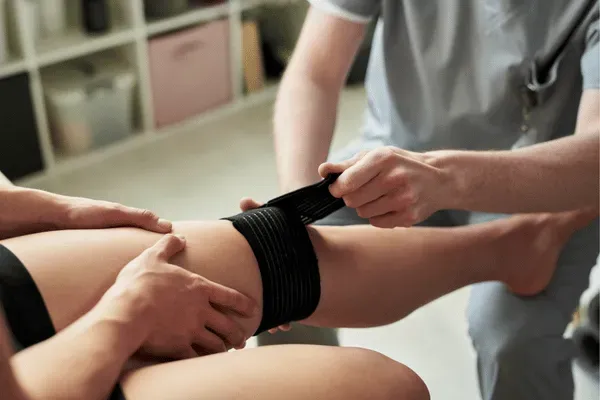
Manual therapy is a key part of sports rehabilitation. The therapist uses skilled hand techniques to move joints, massage tight muscles, and improve mobility. It's not just massage—manual therapy provides real pain relief by freeing restrictions and calming your nervous system.
Research shows manual techniques can reduce inflammation and change pain signals in your body. Gentle joint movements might help a stiff knee move with less pain. Trigger-point release on knotted muscles could ease chronic back ache.
Common manual therapy techniques include:
- Joint Mobilizations: Gently moving joints to improve range and reduce pain
- Soft Tissue Work: Targeted massage to break up scar tissue and relax tight muscles
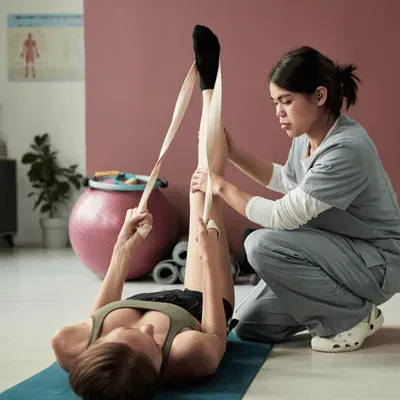
- Stretching: The therapist moves your limbs to increase flexibility
- Instrument-Assisted Techniques: Using tools to enhance tissue release and blood flow
These methods work best as part of a complete plan. They're often followed by active exercises to strengthen your gains.
Dry Needling for Pain Relief
Dry needling involves inserting thin needles into trigger points in muscles. It can release muscle knots, improve blood flow, and reset tight muscles. Unlike acupuncture, dry needling uses Western medicine anatomy.
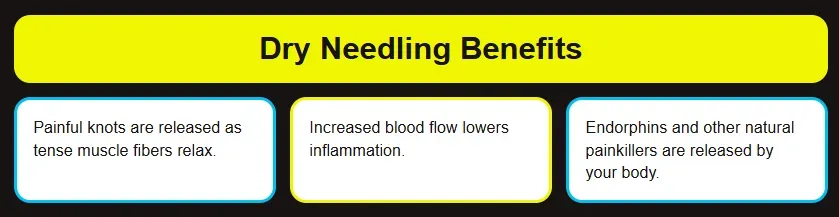
When a needle hits a knotted muscle, it creates a twitch response. This quick muscle spasm and release has several benefits:
- Painful knots are released as tense muscle fibers relax.
- Increased blood flow lowers inflammation.
- Endorphins and other natural painkillers are released by your body.
According to a 2023 study, patients with persistent low back pain responded well to dry needling. Needling trigger points resulted in significant pain reductions for shoulder and neck pain. After just one session, many patients report that their tense muscles "melt away."
Sports physical therapists often use dry needling as part of a larger plan. A needle session might be followed by stretching and exercise. It's particularly useful for stubborn trigger points that haven't responded to massage. Dry needling for pain relief can speed healing by rebooting tight, overactive muscles.
Exercise and Sports Rehabilitation Programs
Active exercise therapy is essential for chronic pain recovery. Sports physical therapists prescribe targeted exercises to rebuild strength, flexibility, and endurance. While manual treatments provide relief, exercise leads to lasting pain resolution.
When done properly, regular exercise helps to reduce chronic pain. Resistance and aerobic exercise increase circulation and release endorphins. Painful joints are relieved when weak muscles are strengthened. Sensitive tissues are less strained when tight parts are stretched.
Sports rehabilitation exercises are customized by a sports physical therapist to meet your individual needs. Typical programs consist of:
- Strength Training: Focus on weakened muscles that cause discomfort.
- Flexibility Exercise: Release tense muscles and loosen up rigid joints.
- Low-Impact Cardio: Increase blood flow without straining joints.
- Balance Training: Retrain your body to move appropriately.
- Posture Coaching: Learn the right movement patterns for everyday tasks.
The difficulty of these exercises increases steadily. To prevent flare-ups, your therapist starts you at the appropriate intensity. According to research, regular exercise over several weeks provides the best pain alleviation. Programs that run 60–120 minutes a week for two to three months produce very good results.
Treating Athletes' Chronic Pain
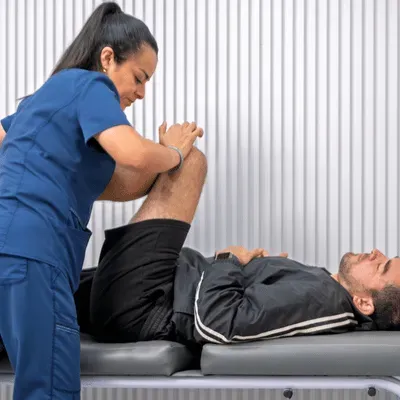
Athletes need specialized care. They can't rest indefinitely—they need to keep training. A sports physical therapist understands these demands and tailors treatment for athletic goals.
Common chronic injuries in athletes include Achilles tendinopathy, runner's knee, rotator cuff tendinitis, and lower back pain. Key elements of treating athletes include:
Sport-Specific Strengthening: Target weak links related to the athlete's sport. For a basketball player with knee pain, focus on hip and core strength.
Advanced Manual Therapy: Use aggressive hands-on techniques to keep athletes mobile between training sessions.
Recovery Modalities: Employ dry needling and other tools to quickly release muscle knots after intense training.
Biomechanics Coaching: Analyze movement patterns. Subtle form improvements can relieve stress-causing pain.
Gradual Return to Sport: Manage a graded return plan. Allow modified training while the injury heals. In addition to relieving pain, athletes frequently discover that seeing a sports physical therapist enhances their entire performance. They become more effective and less prone to injuries by correcting deficiencies and bad movement patterns.
Get Pain Relief Without Surgery
Chronic pain doesn't mean you need surgery. Sports physical therapists offer a safe, effective path to relief using proven techniques. By combining hands-on physical therapy, dry needling for pain relief, and personalized exercise programs, they treat pain sources rather than symptoms.
Ready to overcome chronic pain without surgery? Our sports rehabilitation clinic in the Dallas-Fort Worth area offers one-on-one care. We'll build a plan around your goals and schedule, so you can recover faster and get back to training with confidence.