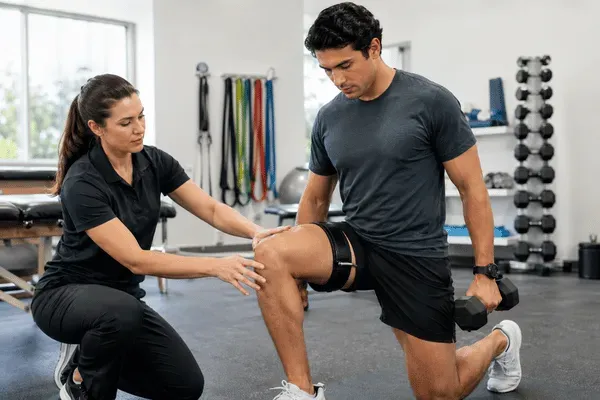
Blood flow restriction therapy is changing how athletes recover and train. It uses a specialized cuff on the arm or leg to partially limit blood flow during exercise. This creates a low-oxygen environment in the muscle, triggering muscle growth with very light weights. Over two decades of research back its safety and results, making BFR therapy a trusted tool in sports rehabilitation clinics nationwide.
How Blood Flow Restriction Therapy Works
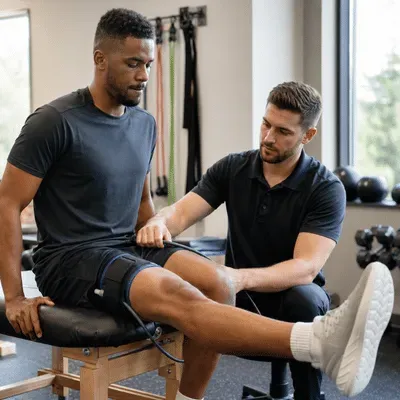
A cuff is placed at the top of the arm or leg and inflated to a specific pressure. Blood can still enter the muscle, but less blood leaves. This builds up metabolites like lactic acid and reduces oxygen quickly.
The result? Your muscles fatigue faster and recruit more fibers. Your body responds as if you lifted heavy, even with loads as light as 20 to 30% of your max weight. Growth hormone release increases, and muscle-building pathways activate.
This is why blood flow restriction therapy is so valuable. You get the stimulus of a tough workout without stressing healing tissues or joints.
Benefits for Injury Recovery
After an injury or surgery, heavy lifting is often off the table. But doing nothing causes rapid muscle loss, also called disuse atrophy.
Blood flow restriction rehab solves this problem. Patients can use light loads under BFR to:
- Preserve muscle size after surgery
- Rebuild strength without overloading healing tissue
- Reduce pain during rehab sessions
- Stay consistent with less risk of setbacks
Research published in the Sports Health Journal (Jack et al., 2023) showed that ACL surgery patients using BFR therapy kept their muscle size and returned to sport nearly two months faster than those who did standard rehab alone. The standard rehab group lost significant muscle in the weeks after surgery. The BFR group did not.
This is why blood flow restriction rehab is now standard at many top sports medicine clinics and pro team facilities.
Benefits for Strength and Performance
BFR therapy is not just for recovering athletes. Healthy individuals use it to build muscle and strength with less wear on their bodies.
A narrative review published in MDPI (Kwon et al., 2025) found that BFR exercise produces strength and muscle gains comparable to high-intensity resistance training when proper protocols are followed.
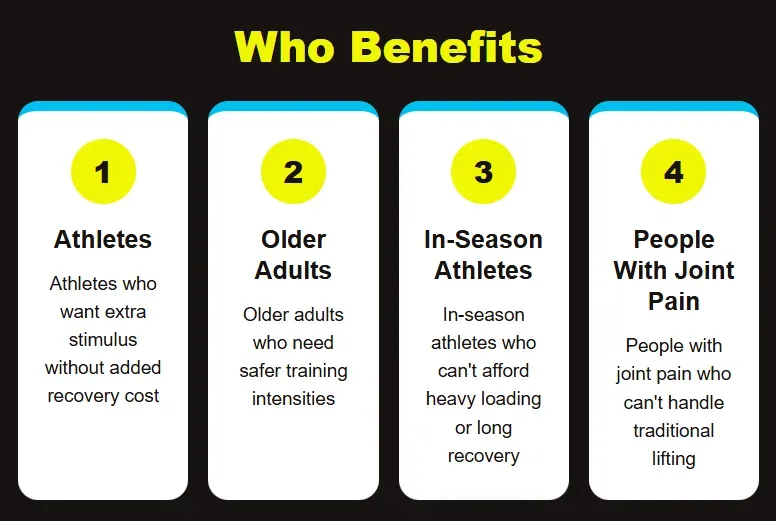
Here's who benefits:
- Athletes who want extra stimulus without added recovery cost
- Older adults who need safer training intensities
- In-season athletes who can't afford heavy loading or long recovery
- People with joint pain who can't handle traditional lifting
BFR also works with light cardio. Walking or cycling with cuffs on has been shown to boost cardiovascular fitness and stamina without high-impact effort. Some athletes use this on rest days to stay active without overtraining.
Military training programs and professional sports teams have adopted BFR in the past decade. The results speak for themselves.
Is BFR Therapy Safe?
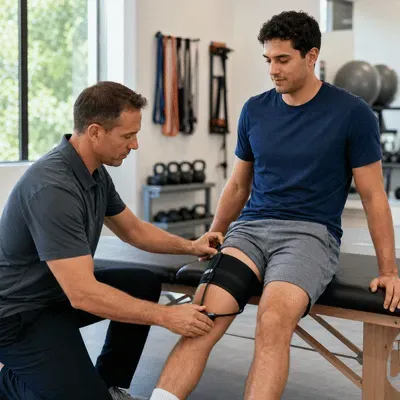
Yes, when done correctly under professional guidance.
Over 20 years of clinical research show a low risk of adverse events for healthy individuals and rehab patients. Modern cuffs are designed with precise pressure control.
Talk to a doctor first if you have:
- Uncontrolled high blood pressure
- Clotting disorders
- Cardiovascular conditions
Sessions typically run 15 to 30 minutes per muscle group. You should feel muscle burn and fatigue. You should not feel numbness, tingling, or sharp pain. If you do, the cuff may be too tight.
Always work with a trained physical therapist or certified coach to determine the right pressure and program for your needs.
The Bottom Line
Blood flow restriction therapy bridges the gap between injury and performance. It keeps muscles active during rehab, reduces atrophy, and helps athletes come back stronger. Whether you're rehabbing from surgery or looking to build strength with less stress on your joints, BFR therapy delivers real, research-backed results.
At AthleteRx Performance Rehab, that care is backed by more than 10 years of experience, elite-level sports physical therapy training, and a strong track record of helping athletes and active adults recover with a performance-first approach. Their history is rooted in bringing advanced rehab methods — including techniques used with high-level athletes — to the Parker, Plano, and Allen communities through focused, one-on-one care.