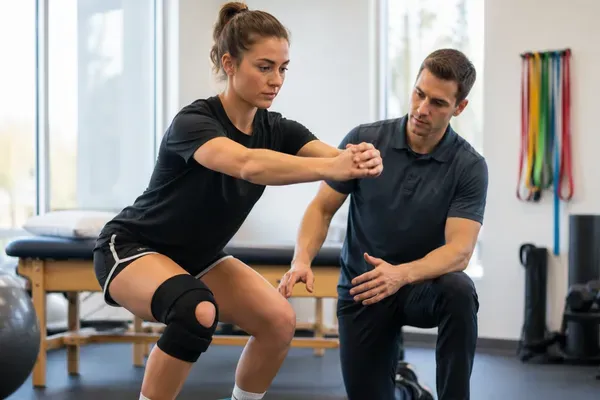
One of the toughest parts of an athlete's career is when they get injured. It takes a well-thought-out plan to return to sport ready and stronger than before. The methodical procedure that takes you from injury to a safe recovery and optimal performance is known as athlete rehabilitation or sports physical therapy. It is sport-specific, dynamic, and based on actual testing rather than speculation.
This guide walks you through what to expect, what "Cleared for Sport" really means, and how to lower your risk of getting hurt again.
What Athlete Rehabilitation Really Means
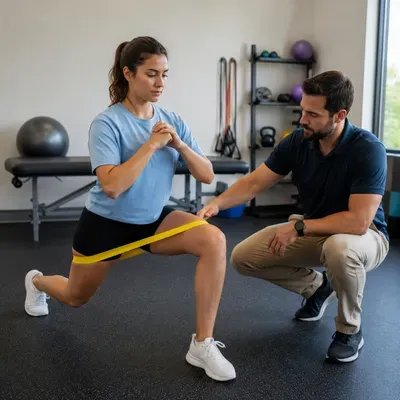
Athletic rehabilitation is distinct from basic physical therapy. It rebuilds strength, power, and athletic abilities in addition to daily movement. Modern athlete recovery is guided by clear criteria rather than just the calendar.
Every athlete's rehab is customized and tailored to their needs. Pitchers and sprinters require distinct strategies. Returning you to your sport safely and efficiently is the straightforward objective.
Begin with the Appropriate Evaluation
A thorough examination is the first step towards a solid plan. We consider your training history, the nature of the ailment, and the demands of your sport.
What we evaluate first:
- Pain and inflammation
- Joint mobility and control
- Baseline strength tests
- Quality of movement with functional movements
- Sport-related demands and goals
Why baseline testing matters:
Numbers drive decision making. Objective data gives us a road map of areas to focus on and do not guess at the process. Then with functional movement training, we attack those weaknesses and address the impairments found on exam.
The Rehab Phases Every Athlete Should Expect
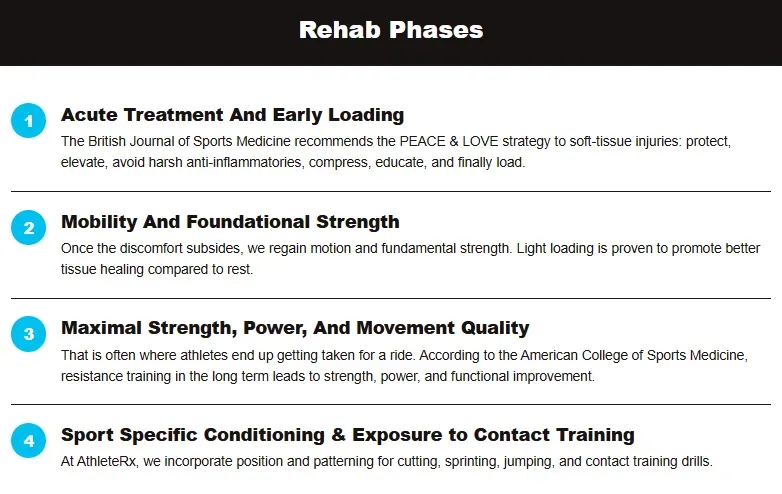
Recovery progresses through distinct stages. Skipping steps increases the chance of setbacks and reinjury.
Acute Treatment And Early Loading
The British Journal of Sports Medicine recommends the PEACE & LOVE strategy to soft-tissue injuries: protect, elevate, avoid harsh anti-inflammatories, compress, educate, and finally load. The Amsterdam Consensus for concussion suggests 24 to 48 hours of relative rest followed by symptom-limited exercise.
Mobility And Foundational Strength
Once the discomfort subsides, we regain motion and fundamental strength. Light loading is proven to promote better tissue healing compared to rest.
Maximal Strength, Power, And Movement Quality
That is often where athletes end up getting taken for a ride. According to the American College of Sports Medicine, resistance training in the long term leads to strength, power, and functional improvement. We also utilize Blood Flow Restriction when the athlete doesn't tolerate heavy loads or is unable to bear weight.
Sport Specific Conditioning & Exposure to Contact Training
At AthleteRx, we incorporate position and patterning for cutting, sprinting, jumping, and contact training drills. Finally, adding power to these movements to help get you back to 100%. This bridges the gap from rehab to cleared for sport.
When Is an Athlete Ready to Return to Sport
Time alone does not clear someone for sport. Passing a variety of tests and criteria does.
Objective tests that matter
Before returning, you should pass:
- Strength testing within the specified ranges
- Hop and jump tests with excellent movement qualities
- Sprint and change-of-direction tasks
- Sport-specific drills while fatigued
- Psychological readiness assessments
Research published in the British Journal of Sports Medicine warns that limb symmetry can mask covert weakness. A player can have 90% symmetry and not have true power. That's why functional movement training and clean mechanics is as important as the percentage.
Mental preparation: Being prepared means being confident. If you are afraid to cut or land, you are not finished.
From Return to Sport to Return to Performance
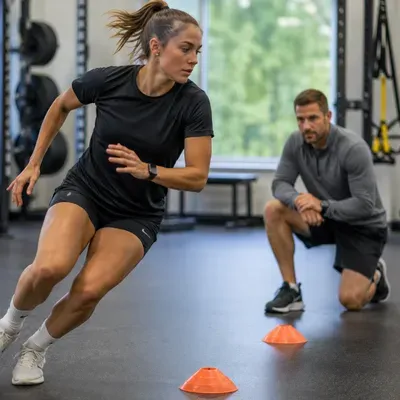
Getting cleared is not the end of the race. When you are back performing, you are competing at your real level. In 2024, a clinical commentary on professional soccer described an 11-step return-to-performance pathway. It applies to all sports that it takes longer to do fully than it does to return to play.
Performance rehab fills that gap. It rebuilds speed, power output, and repeated effort capacity to get you back to, or better than, your pre-injury level.
Why a Structured Plan Changes the Outcome
Rushing back can result in recurrent injuries. A plan that is founded on criteria honors healing, develops actual capacity, and safeguards your future seasons. When athlete rehabilitation is done correctly, it provides you with long-term durability, strength, and confidence.
Are You Prepared to Return to Your Sport?
Our experts at AthleteRx Performance Rehab are sports physical therapists with years of experience helping athletes return to sport from severe injury to peak performance. We employ blood flow restriction, sports manual therapy, criterion-based progression, objective testing, and sport-specific return-to-play protocols. Our team has worked with players in contact and endurance sports at the youth, collegiate, and professional levels.
Book your return-to-sport assessment with AthleteRx Performance Rehab today and get a clear, tested roadmap built around your sport, your body, and your goals.