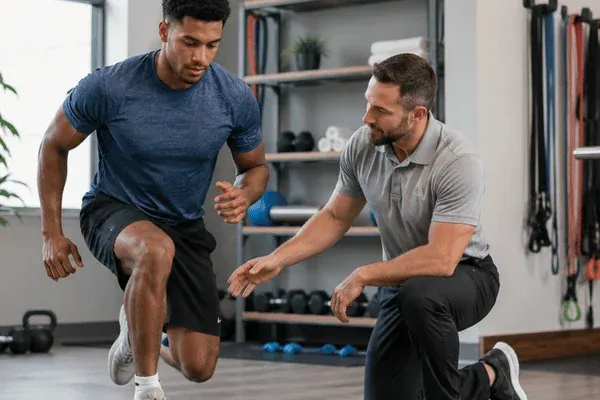
Sports physical therapy helps athletes recover with a plan built around their sport, injury, and goals. It can improve strength, movement, balance, and confidence. It also helps lower the risk of getting hurt again by fixing the issues behind the injury.
What Is Sports Physical Therapy?
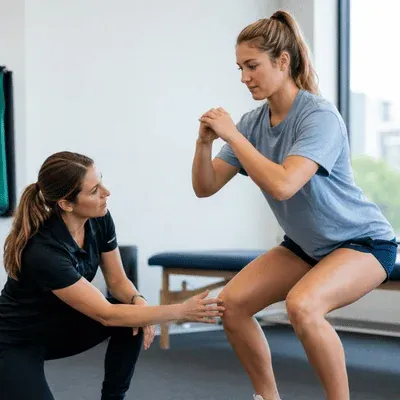
Sports physical therapy is care for athletes and active people. It helps with injury prevention, treatment, recovery, and better movement. ChoosePT says sports physical therapy often supports athletes after injury or surgery.
It is often more sport-focused than general outpatient care. A sports therapist may use strength testing, jump testing, running checks, and sport drills. This helps show when an athlete is ready to return.
The American Board of Physical Therapy Specialties reported 3,850 board-certified sports specialists as of July 2025. These therapists have added training in sports injuries, rehab, and return-to-play needs.
How Sports Physical Therapy Helps Athletes Recover
Physical therapy for sports injuries does not just treat pain. It looks for the reason the injury happened. That may include weakness, poor control, stiff joints, poor landing form, or too much training too soon.
A good plan may include:
- Progressive strength work to rebuild weak areas
- Balance and control drills to improve body awareness
- Mobility work to restore safe movement
- Sport-specific training for cutting, jumping, throwing, or running
- Return-to-sport testing before full play
This can help athletes recover in a safer and more direct way. It does not mean every athlete returns fast. It means each step is based on progress, not guessing.
The American Orthopedic Society for Sports Medicine reported that returning before nine months after ACL surgery may raise the risk of a second ACL injury. That is why testing and timing both matter.
What to Expect During a Sports Physical Therapy Session
Your first session starts with a full check. Your therapist asks about your injury, sport, training load, pain, and goals. Then they test how your body moves.
A normal session may include:
Movement check
Your therapist may watch you squat, walk, run, jump, or land.
Strength and range testing
This shows what is weak, stiff, painful, or limited.
Hands-on care when needed
This may include joint work, soft tissue care, cupping, or dry needling.
Exercise training
You may work on strength, balance, speed, control, or sport movements.
Home exercises
Your therapist gives you simple work to do between visits.
AthleteRx Rehab lists services such as sports physical therapy, sports manual therapy, dry needling, myofascial cupping, blood flow restriction, corrective exercise, and return-to-sport testing. These services support athletes in Parker, Plano, Allen, and the nearby North Dallas areas.
What to Expect During a Water Therapy Session
A water and sports physical therapy session uses a pool to reduce stress on the body. The medical term is aquatic physical therapy. It is not needed for every athlete, but it can help when land exercise is too painful.
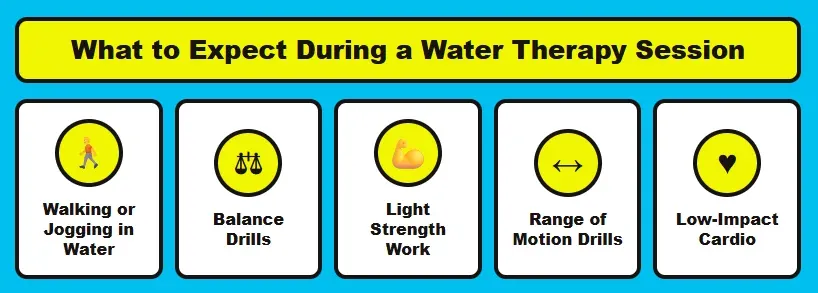
You may do:
- Walking or jogging in water
- Balance drills
- Light strength work
- Range of motion drills
- Low-impact cardio
Water can lower joint stress, which may help after surgery or during painful early rehab. A trial in the Journal of Orthopedic Surgery and Research found that aquatic therapy helped elite athletes with severe ankle sprains improve pain, balance, and return-to-sport time.
Your therapist should still check your progress on land. Your sport happens on land, so pool work should support your full plan.
How an Athlete's Recovery Plan Is Built
A strong athlete recovery plan is based on goals, tests, and progress. It should not be based only on a calendar.
The Bern and IFSPT consensus says return to sport is a process, not one final choice. A good clinic checks if you can move, load, land, cut, and trust the injured area again.
Here is what a recovery plan may include:
| Plan Part | What It Checks | Why It Matters |
|---|---|---|
| Pain and swelling | How the injury responds | Shows if the body is ready for more work |
| Strength | Weak areas | Helps prevent overload |
| Movement quality | Squats, jumps, running, and landing | Finds poor habits |
| Sport drills | Sport-specific demands | Prepares you for real play |
| Confidence | Fear or doubt | Supports a safer return |
Many clinics now use apps, videos, or home exercise tools. These can help you stay on track. Still, they should not replace your therapist's judgment.
How to Find Sports Physical Therapy Near Me

A smart place to start is by searching for "sports physical therapy near me." Additionally, you can search by city, ZIP code, or specialization using the APTA Find a PT directory.
Look for fit rather than hype when searching for the top sports physical therapy facilities in your area. Before making a reservation, ask these questions:
- Is my sport and injury treated at the clinic?
- Do they provide testing for return-to-sport?
- Do the therapists have any training in sports rehabilitation?
- Do they provide a detailed rehab plan for athletes?
- Are deadlines and the danger of reinjury explained?
- Do they accept my insurance or offer self-pay options?
APTA reports that all 50 states and Washington, DC, have some form of direct access to physical therapist services. This means you may be able to start without a doctor referral. Insurance and state rules can still vary.
A quick note on one common search: True Sports Physical Therapy and Care may refer to people looking for True Sports Physical Therapy, a separate clinic brand. Brand names can be easy to mix up. Search by your city, services, and therapist credentials before you choose.
If you want the best sports physical therapy in Indian Trail or Matthews, search by location first. Then check each clinic's sports injury rehabilitation services, return-to-play testing, and experience with your sport.
If you are near Parker, Plano, Allen, or North Dallas, book now with AthleteRx Rehab to start a sports physical therapy plan built around your sport, injury, and return-to-play goals.